Oakville Wedding DJ Checklist: Keep Your Day Smooth in 2026
Use this Oakville wedding DJ checklist to align music, MC flow, lighting, décor, dhol, photo/video, and effects so your reception runs smoothly and stays on time.
An Oakville wedding DJ checklist is a step-by-step plan that covers music curation, MC flow, sound, lighting, and special effects from the first inquiry to the last dance. It aligns timelines, protects key moments, and simplifies vendor coordination. Oakville couples use this checklist to keep ceremonies and receptions smooth, memorable, and on time with one integrated team.
By B-Town Entertainment — Brampton-based GTA wedding DJ & production
Last updated: 2026-06-17
Overview: Your Oakville Wedding DJ Checklist
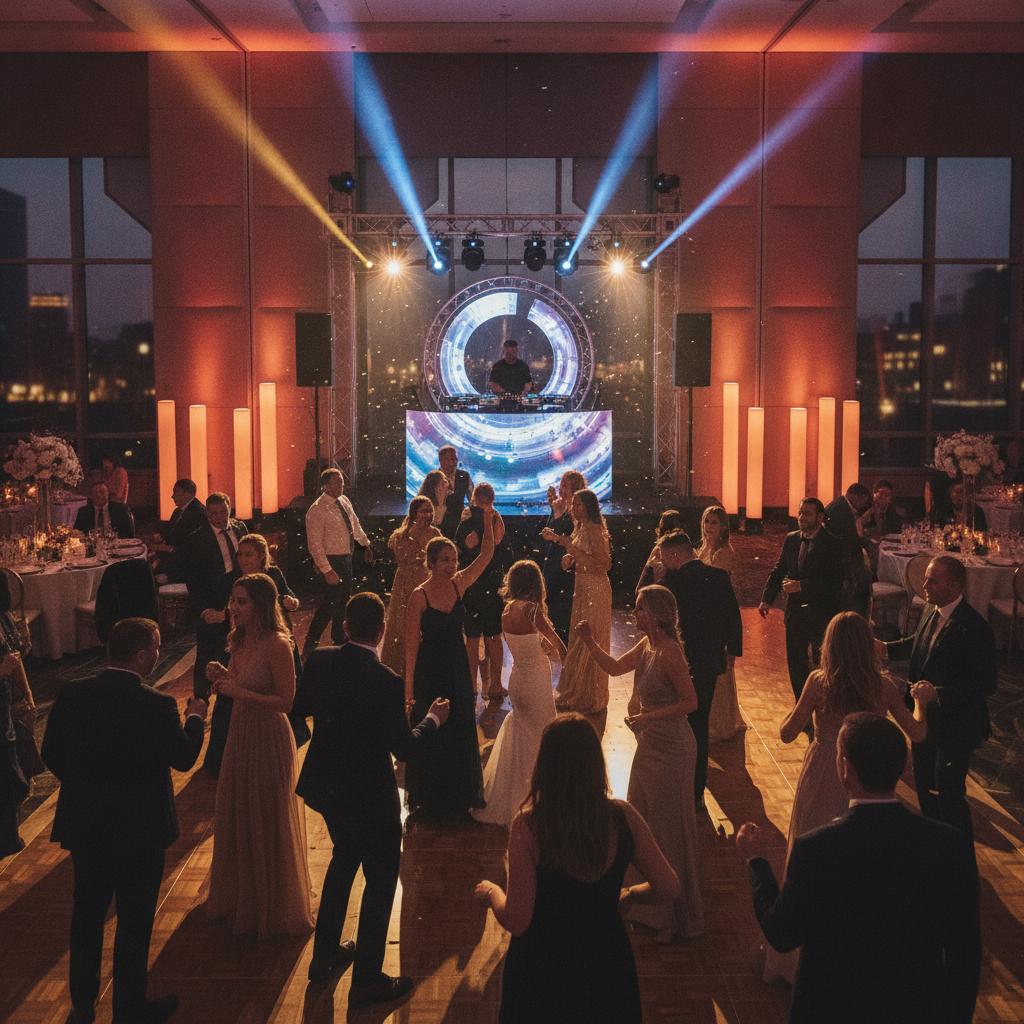
Use this Oakville wedding DJ checklist to lock timing, songs, cues, and tech. Map 12–15 key moments, confirm audio zones, finalize entrance tracks, and set backup plans. With one team handling DJ, MC, lighting, décor, photo/video, dhol, and effects, execution stays tight and your dance floor stays full.
This complete guide is built for Oakville couples—especially South Asian and multicultural—who want tight timing and high-energy dance floors.
- Exactly what goes in an Oakville wedding DJ checklist
- Why a single, integrated team reduces day-of risk
- How to sequence ceremony, cocktail, and reception
- What to prepare for dhol, sparklers, and dry ice
- Templates, timelines, and real-world examples
Jump to a section:
- What is the checklist?
- Why it matters
- How it works
- Service approaches
- Best practices
- Tools & resources
- Real examples
- FAQ
- Conclusion & next steps
What Is an Oakville Wedding DJ Checklist?
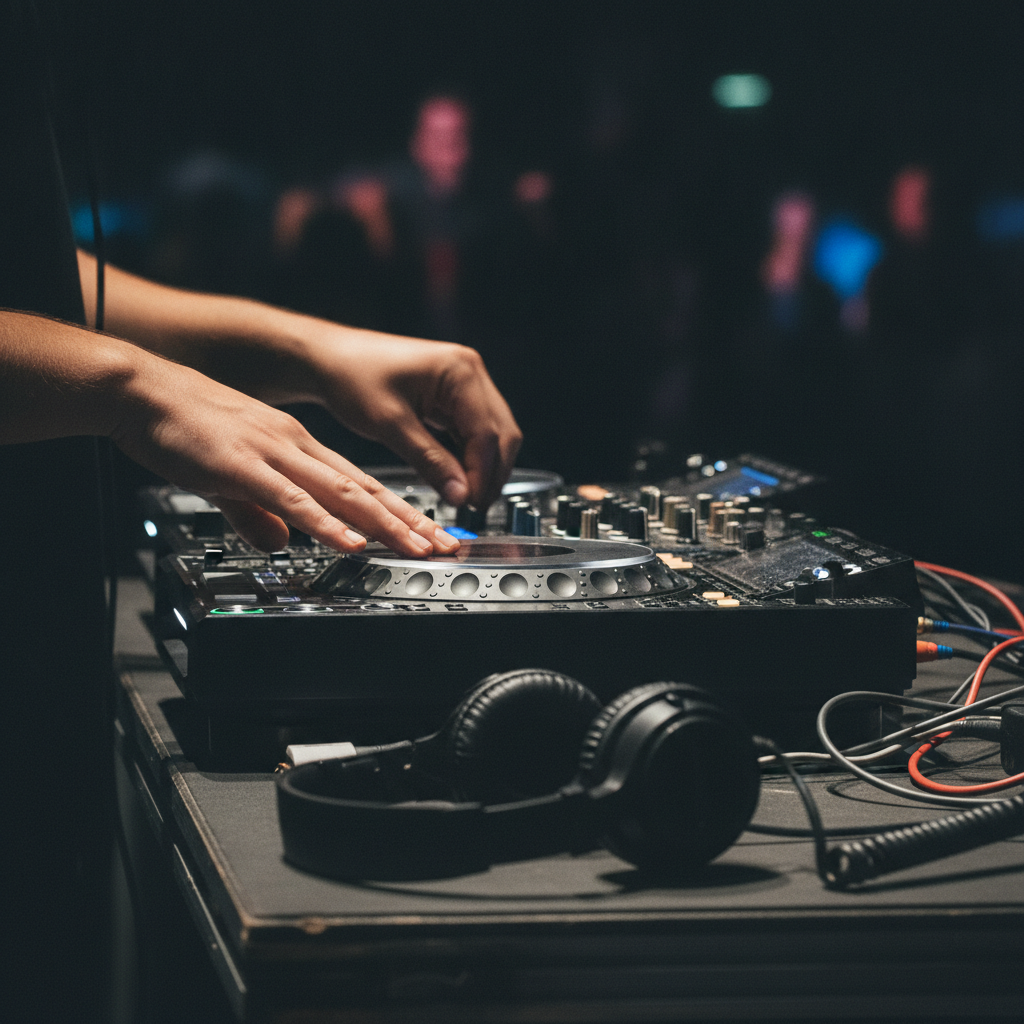
An Oakville wedding DJ checklist is a shared, time-stamped plan that maps songs, announcements, technical needs, and responsibilities for every moment from guest seating to the last song. It protects entrances, first dances, and speeches by assigning who-cues-what and when across 12–15 critical touchpoints.
In our experience, the clearest checklists track four pillars: timeline, music, tech, and people. That means exact minute marks, specific tracks, confirmed microphones and speakers, and who will coordinate family names and pronunciations. Most weddings run smoother when couples document 10–12 must-play songs, 3–5 do-not-play items, and 2 fallback playlists for changing vibes.
For Oakville venues, we see typical setups with 2–3 audio zones (ceremony, cocktail, reception) and 1–2 wireless microphones. A simple rule of thumb: budget 12–15 minutes for each zone’s sound check, plus 3–4 lighting scenes saved for entrances, dinner, and open dance.
Local considerations for Oakville
- Confirm venue load-in windows and elevator restrictions early; a 30–45 minute buffer avoids DJ and décor overlaps during peak Saturday turnovers.
- Seasonal timing matters: winter coat checks and summer outdoor ceremonies each add 10–15 minutes to guest movement and audio transitions.
- For multicultural sets, share language and pronunciation notes; diverse guest lists in Oakville often require bilingual or trilingual MC cues.
Why This Checklist Matters for Oakville Couples
A DJ checklist prevents schedule drift, missed cues, and awkward silences. It synchronizes vendors, assigns responsibilities, and keeps music and mic moments accurate to the second. The result is smoother flow, better photos and video, and a dance floor that stays busy for 120–180 minutes.
Here’s the thing: your reception is a chain of 20–30 micro-cues. Without a master plan, each 2–3 minute delay compounds and steals songs from open dance. We’ve found that documenting cues (grand entrance, first dance, speeches) in order—each with a start/stop note—cuts dead air by half and makes the MC’s job effortless.
- Photos and video love predictability: first dances framed with consistent lighting and 90–120 seconds of song time produce cleaner highlights and reels.
- Family happiness scales with clarity: the right pronunciation sheet reduces intro stress by 90% and avoids re-takes.
- Production aligns when details are central: when DJ, lighting, décor, and media share one run-of-show, setup overlaps drop and load-outs finish 20–30 minutes faster.
Want an integrated team to handle that complexity? Explore our customizable wedding packages built around real timelines, venue rules, and guest counts.
How the DJ Checklist Works from Inquiry to Last Dance
Build your wedding DJ checklist in five passes: discovery, design, confirm, rehearse, and execute. Each pass adds detail—music picks, MC script, tech specs, and contingency notes—so by showtime every cue is pre-timed and every vendor knows their next move.
1) Discovery (week 1–2)
Capture the essentials: date, venue, guest count, cultural moments, and your 5–7 “must-haves.” In Oakville, ceremony/cocktail/reception often span 5–7 hours total.
- Gather name pronunciations and order for 6–12 entrance intros.
- Note special moments: baraat entry, cake reveal, shoe game, surprise dance.
- Shortlist 10–12 must-plays and 3–5 do-not-plays.
- Reference our DJ, MC, and production services to match scope early.
2) Design (week 2–4)
Translate taste to timelines. Assign songs to each moment and sketch audio zones, mics, and lighting looks. Save 3–4 lighting scenes for consistency.
- Entrance sequence: 30–45 seconds per couple; 60–90 seconds for newlyweds.
- First dance edits: aim for 120–150 seconds; parent dances 90–120 seconds.
- MC script: 1–2 sentences per cue, max 25–35 words each.
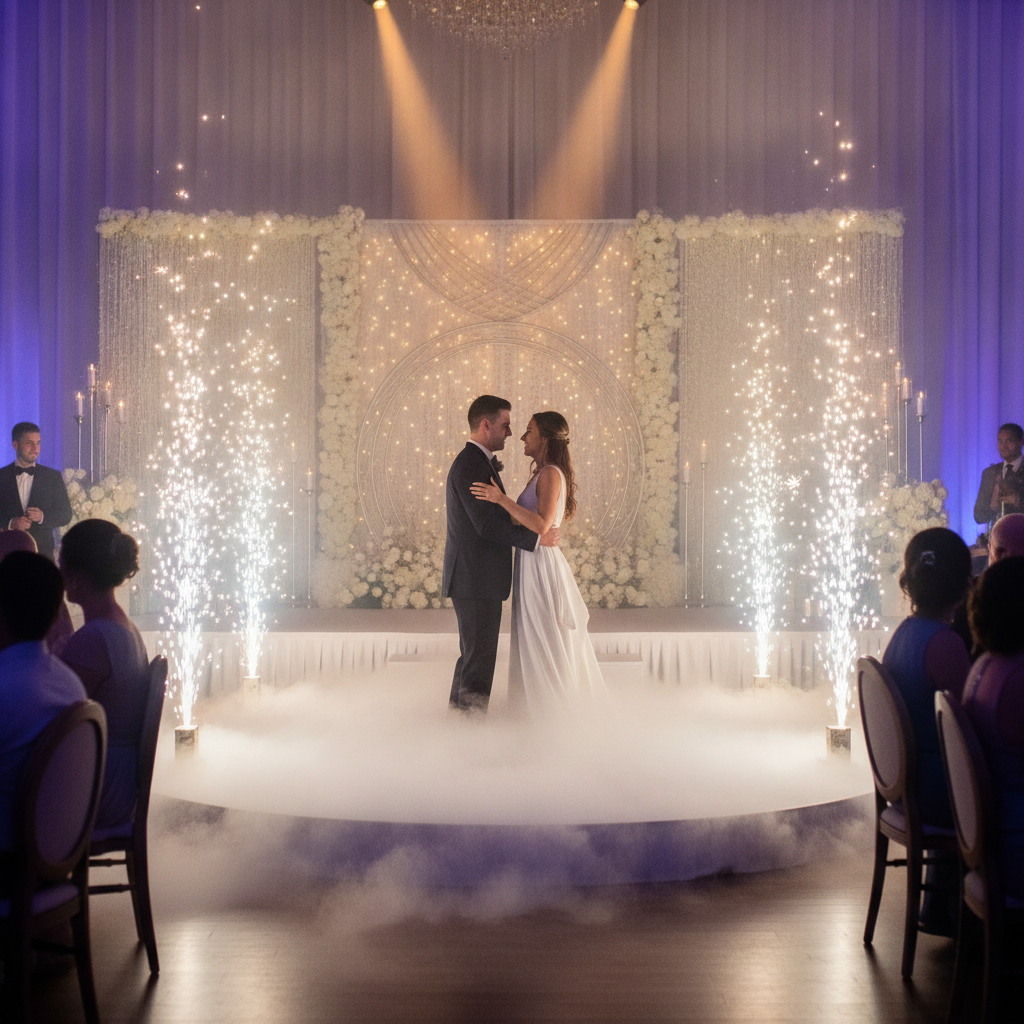
- Map cold sparkler fountains and dry ice cloud start/stop seconds for camera timing.
3) Confirm (week 4–6)
Lock logistics with vendors and venue in one shared document. Clarity saves 15–20 minutes per transition.
- Finalize equipment: 2 wireless handhelds, 1 lapel if needed, 1–2 speakers per zone.
- Share the run-of-show with décor and photo/video teams.
- Place the DJ booth to face the dance floor; avoid blocking head table sightlines.
- Add a rain/heat plan for outdoor ceremonies with 10–15 minute pivot notes.
4) Rehearse (week 6–8)
Do a 30–45 minute remote rehearsal call. Read names aloud, time songs, and test transitions. This step alone reduces day-of questions by 70%.
- Practice the entrance order and mic handoffs.
- Confirm who starts each cue: planner, DJ, MC, or photographer on signal.
- Review lighting changes during first dance and speeches.
- Check backup plans: extra cables, extra USB, offline playlists.
5) Execute (event day)
Arrive 90–120 minutes early for load-in and sound checks. Save scenes, verify levels at 85–95 dB on dance floor, and do a full mic test. Keep the checklist visible at the booth.
- Start guest-seating playlist 15–20 minutes pre-ceremony.
- Stage 2 microphones before entrances to avoid 30–60 second delays.
- Kick off open dance with 3 back-to-back crowd-pleasers that span generations.
- Capture 15–20 hero moments for reels: entrances, first dance, high-energy drops.
Looking for a single team to carry this load? Our book-now page makes it easy to start.
Types of DJ Services and Approaches in Oakville
Oakville couples typically choose among four approaches: Essential DJ, Wedding Experience, Luxury Production, or Full-Service Wedding. Each adds layers—MC flow, lighting, décor, dhol, photo/video, and effects—so your plan scales from simple receptions to cinematic, all-in productions.
Essential DJ
Perfect for intimate receptions or backyard celebrations. The focus is clean sound, great mixing, and a concise run-of-show.
- Curated cocktail and dinner playlists; 120–180 minutes of open dance.
- 1–2 speakers, 1–2 wireless microphones, tidy cable management.
- Timeline document with must-plays and do-not-plays.
Wedding Experience
Ideal for standard banquet-hall timelines with entrances, dances, speeches, and games.
- MC support for names, transitions, and guest engagement.
- Uplighting with 3–4 saved looks, basic dance-floor lighting.
- Shared checklist covering 12–15 cues across ceremony/cocktail/reception.
Luxury Production
For couples who want high-impact visuals that read well in photos and reels.
- Expanded lighting, custom stage or backdrop styling, and décor coordination.
- Options for cold sparkler fountains and dancing-on-clouds dry ice during signature moments.
- Close collaboration with your photo and video teams for cinematic timing.
Full-Service Wedding
The all-in path that centralizes DJ, MC, sound, lighting, décor, photo/video, live dhol, and effects under one team.
- One point of contact across entertainment and production.
- Deep run-of-show with precise cue timing for 20–30 micro-moments.
- Redundancies: backup audio chain, extra microphones, and offline playlists.
Not sure which path fits? Compare options on our services overview and wedding packages.
Best Practices to Keep Your Day Smooth
The best wedding DJ checklists are short, specific, and visible. Keep songs under 150 seconds for formal dances, standardize mic handoffs, pre-save 3–4 lighting looks, and place effects on exact timestamps. A 15–20 minute rehearsal call turns this plan into muscle memory.
Music and timing
- First dance edits: target 2:00–2:30; parent dances 1:30–2:00 to keep energy.
- Entrance music: 30–45 seconds per couple; 60–90 seconds for the newlyweds.
- Open-dance anchors: prepare 12–15 guaranteed winners across Punjabi, Bollywood, Hip-Hop, Top 40, and Soca.
MC, names, and flow
- Collect phonetic spellings and title preferences for 10–16 family members.
- Write 1–2 clear sentences per announcement; avoid paragraphs on the mic.
- Decide who cues each moment: planner hand-signal, DJ nod, or MC count-in.
Tech and lighting
- 2 wireless handhelds on fresh batteries; 1 backup mic at the booth.
- Save lighting scenes for dinner, speeches, entrances, and open dance.
- Keep the DJ booth within 25–30 feet of the dance floor for faster reads.
Special effects
- Cold sparklers: plan 8–10 second bursts, twice during first dance; align for camera angles.
- Dry ice “dancing on clouds”: start 8–12 seconds before the downbeat.
- Confirm venue approvals and place effects at least 6–8 feet from guests.
Want to see how these choices look on camera? Browse our real weddings gallery for room reveals, entrances, and effect moments.
Tools and Resources (Templates, Playlists, Forms)
Centralize your details in one shareable doc: a timeline sheet, a music form, and a technical map. Add a contact list, a pronunciation guide, and a backup plan. With everything in one place, vendors lose fewer minutes between cues and capture more usable photo/video.
Downloadable structure (copy into your planner)
- Timeline sheet: moment, start time, track, who cues, mic needed, lighting look.
- Music form: must-plays (10–12), do-not-plays (3–5), vibe notes by hour.
- Tech map: zones, speakers, mics, booth location, power outlets, effect placements.
- Contact list: planner, DJ/MC, décor, photo, video, venue, and family reps.
Process table: sample run-of-show
| When | What to lock | Who leads | Data to capture |
|---|---|---|---|
| 60–45 min pre-ceremony | Sound/lights test | DJ/Tech | Zones, dB levels, spare batteries |
| Guest seating | Preludes start | DJ | Playlist order, 15–20 min |
| Processional | Cue timing | MC | Start/stop seconds |
| Grand entrance | Names & tracks | MC/DJ | 45–60 sec per intro |
| First dance | Effects & edit | DJ/Tech | 90–150 sec; effect bursts |
| Dinner | Ambience | DJ | 2–3 playlists |
| Speeches | Mic handoffs | MC | Order, time limits |
| Open dance | Anchor sets | DJ | 12–15 bangers |
For coordination perspective, compare with a general wedding day coordination checklist. It mirrors how run-of-shows reduce friction when everyone works from one page.
Real Examples: How the Checklist Saves the Day
Checklists turn variables into repeatable wins. When crews know exactly what to cue and when, entrances land, dances feel cinematic, speeches sound clear, and open dance stays full. Here are three Oakville scenarios where precise planning made the night.
1) Punjabi–Bollywood fusion reception
Couple wanted a grand entrance into a 2:15 edit, then a spotless first dance with dry ice and two 8-second sparkler hits. We staged two wireless mics, saved lighting scenes, and used a 30-second pre-roll to align photographers. Result: crisp intros, no dead air, and footage that looked like a music video.
- Music arc: upbeat Punjabi for the first 20 minutes, then Hip-Hop/Top 40 crossover, back to Bollywood classics for family.
- Data points: 2 microphones staged; 3 saved lighting looks; 2 effect bursts; 120–150 second dance edit.
2) Backyard tent wedding in Oakville
Weather pivoted 15 minutes pre-ceremony. Because the checklist included an A/B rain plan, we moved speakers under cover, switched to battery-powered uplights, and started the seating playlist on time. Guests barely noticed the changes, and open dance still ran 150+ minutes.
- Data points: 10–15 minute pivot notes; 2 zones on battery; 1 backup playlist offline.
- Tip: note wind direction for sparkler placement at least 6–8 feet from edges.
3) Reception with multilingual intros
We had 14 family names across two languages. A pronunciation sheet and a 20-minute rehearsal call ensured the MC nailed each one. Entrances averaged 45 seconds per couple and 75 seconds for newlyweds—exactly as planned—so the first course didn’t slip.
- Data points: 14 intros; 45–75 second windows; 20-minute rehearsal saved 5–7 minutes in mic chatter.
See how an integrated team makes this predictable across venues by exploring our FAQ for planning flow and recent weddings on the blog.
Free planning call: Want us to map your Oakville wedding DJ checklist in 20 minutes? Start on our booking page and we’ll coordinate DJ, MC, lighting, décor, photo/video, dhol, and effects under one plan.
Tools and Citation Extras for Oakville Couples
Use reputable planning references to pressure-test your run-of-show. Cross-check décor timing, day-of roles, and media moments against third-party guides. The goal is consistency: your internal plan should match how venues, decorators, and videographers pace a wedding day.
- Room design timing ideas to align décor with entrances: see this décor planning checklist for sequencing inspiration.
- Venue-run timing and load-in logic: review a sample venue checklist to anticipate load-in and turnaround windows.
- Media capture beats and shot rhythm: scan a cinematography checklist to sync effect moments with camera cues.
FAQ: Oakville Wedding DJ Checklist
Most questions come down to timing, tech, and responsibilities. The best answers are short: pre-save scenes, confirm who cues what, and time key songs to 90–150 seconds. Here are direct answers to the questions couples ask us most.
What should we include in our Oakville wedding DJ checklist?
Include a minute-by-minute timeline, song picks for each cue, a do-not-play list, microphone needs, lighting looks, effect placements, name pronunciations, and a vendor contact list. Add a backup plan for weather or power and confirm who triggers each moment.
How far in advance should we finalize songs and cues?
Lock the skeleton 6–8 weeks out and finalize songs 2–3 weeks before the wedding. Do a 30–45 minute rehearsal call to read names, time intros, and confirm effect and lighting cues. Keep an offline backup playlist ready on event week.
Do we need both a DJ and an MC?
If your reception has entrances, formal dances, and speeches, a dedicated MC keeps flow tight while the DJ focuses on music and technical cues. For multilingual or multicultural events, an MC comfortable with pronunciations and pacing is especially helpful.
How do special effects like cold sparklers and dry ice fit into the plan?
Add exact timestamps for effect start/stop to your first dance or entrance track. Stage effects 6–8 feet from guests, confirm venue approvals, and coordinate countdowns with your photo and video team so the best moments land on camera.
What if our crowd is very mixed in age and culture?
Plan 12–15 anchor songs that bridge generations and styles—Punjabi, Bollywood, Hip-Hop, Top 40, Soca, and Afrobeat—then let your DJ read the room in 3–5 song arcs. Use short formal-dance edits and avoid long gaps to keep energy high.
Conclusion and Next Steps
A strong Oakville wedding DJ checklist is concise, shared, and tested. Time your formal dances, script short MC lines, pre-save light looks, and stage mics and effects. Rehearse once. On the day, the plan runs the show so you can enjoy the night.
Key takeaways
- Map 12–15 cues and assign a leader for each moment.
- Keep formal dances to 90–150 seconds; save 3–4 lighting scenes.
- Stage 2 microphones before entrances to avoid delays.
- Write a pronunciation sheet and rehearse for 20–30 minutes.
Action steps
- Copy the timeline, music form, and tech map structure above.
- Skim our services overview and wedding packages to match scope.
- Schedule a planning call on the booking page.
Planning a wedding in Oakville? We’d love to help you build the exact run-of-show, from MC lines to effect timestamps, so your dance floor stays full.